
Favorite Tools and Machinery for Demolition Service Experts
Discover the most popular and reliable equipment trusted by professionals to handle all demolition challenges.
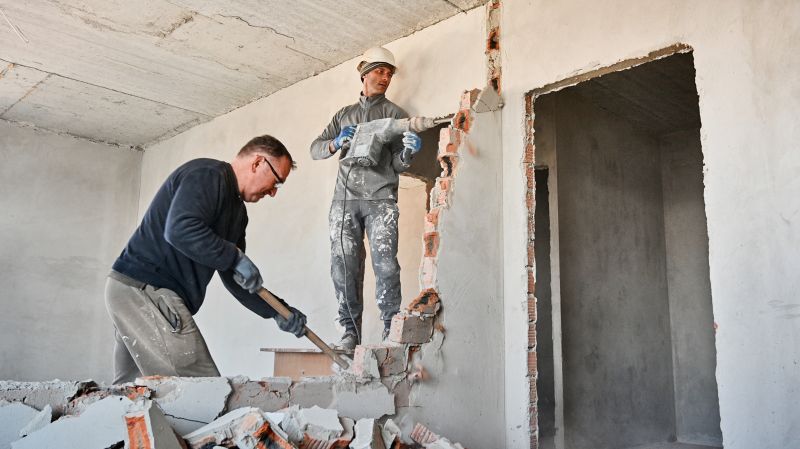 In Odessa, TX, conducting demolition work requires a careful selection of reliable and effective tools and equipment. Whether tearing down a building, removing concrete, or clearing out structures, having the right products can streamline the process and improve safety. Demolition projects often involve a variety of tasks, from breaking through tough materials to precise dismantling, which calls for a diverse range of specialized tools. Investing in quality equipment is essential for ensuring that work is completed efficiently and safely, especially in a busy construction or renovation environment.
Top Overall Option
Heavy-Duty Demolition Hammer
A versatile and powerful demolition hammer is a fundamental tool for breaking through concrete, brick, and other tough materials. Designed with durability and ergonomic handling in mind, it provides users with the ability to perform heavy-duty tasks efficiently. Its adjustable settings and compatibility with various chisel attachments make it suitable for a wide range of demolition applications, from small interior work to large structural removals.
Types of Products For Demolition Service
Jackhammers
Powerful pneumatic or electric tools used for breaking concrete and asphalt surfaces.
Sledgehammers
Heavy hand tools ideal for manual demolition tasks and breaking apart stubborn materials.
Reciprocating Saws
Versatile saws equipped with demolition blades for cutting through wood, metal, and drywall.
Cutting Wheels and Discs
Abrasive accessories for angle grinders used to cut through metal, concrete, and masonry.
Hydraulic Breakers
Heavy equipment attachments that deliver high-impact force for breaking large concrete structures.
Pry Bars and Crowbars
Manual tools for prying apart materials and removing nails or fixtures.
Dust Masks and Safety Gear
Protective equipment essential for ensuring safety during demolition activities.
Demolition Saw Blades
Specialized blades designed for cutting through tough materials with precision.
Concrete Grinders
Tools used for smoothing or removing concrete surfaces during demolition.
Wire Brushes and Scrapers
Accessories for cleaning surfaces and removing debris after demolition.
Debris Containers and Dumpsters
Equipment for collecting and transporting demolition debris efficiently.
Air Compressors
Power sources for pneumatic tools used in demolition tasks.
Vacuum Systems
Devices for dust extraction and maintaining a cleaner work environment.
Lifting and Hoisting Equipment
Tools such as cranes and hoists for moving heavy demolition materials safely.
Safety Barriers and Signage
Essential for maintaining safety zones and directing traffic around demolition sites.
Popular Choices
Widely used for their portability and ease of use in various demolition scenarios.
Preferred for their power and efficiency in breaking hardened surfaces.
Commonly used for controlled dismantling and prying tasks.
Popular for cutting through metal and masonry with precision.
Frequently chosen for manual demolition requiring significant force.
Versatile tools favored for cutting through various materials quickly.
In high demand for maintaining a cleaner work environment during demolition.
Popular for their ability to enhance existing power tools for concrete demolition.
Always trending essentials for ensuring worker safety.
Useful for directing debris away from work zones efficiently.
Commonly used with excavators for large-scale demolition projects.
Popular for their durability and cutting efficiency.
Frequent choice for eye protection during intense work.
Popular for hand protection and grip during manual tasks.
In high demand for illuminating work areas in low-light conditions.
Commonly used for debris collection on-site.
Trending for their ability to adapt to various demolition tasks.
Popular for safety management and site organization.
The selection of demolition products can vary widely based on the scope of the project, the materials involved, and safety considerations. Heavy-duty tools like jackhammers and demolition hammers are staples for breaking through concrete and masonry. Hand tools such as pry bars and sledgehammers are useful for more controlled dismantling. Additionally, accessories like blades, cutting wheels, and safety gear are crucial for adapting tools to different tasks and protecting workers. Proper planning and choosing the right equipment can make a significant difference in project outcomes.
In Odessa, TX, the demand for demolition tools and products often aligns with the local construction industry and renovation projects. Contractors and DIY enthusiasts alike seek durable, versatile, and easy-to-use products that can handle the demands of various demolition tasks. From small-scale interior demolitions to large structural removals, having a comprehensive set of demolition tools ensures readiness for any challenge. It is also important to consider the compatibility of equipment with existing tools and the availability of replacement parts or accessories.
Ultimately, selecting the appropriate products for demolition services involves understanding the specific requirements of each project, prioritizing safety features, and choosing equipment that offers both performance and durability. Proper use and maintenance of these tools can extend their lifespan and ensure consistent results. Whether working on commercial sites or residential projects, having access to a wide range of demolition products helps professionals and DIYers achieve their goals efficiently and safely.
Key Buying Considerations
- Assess the scope and scale of your demolition project to determine the appropriate power and size of tools needed.
- Prioritize safety features such as ergonomic handles, vibration reduction, and safety guards.
- Consider the compatibility of attachments and accessories with existing equipment.
- Evaluate the durability and build quality to ensure long-term performance in demanding environments.
- Review the power source—electric, pneumatic, or hydraulic—based on site conditions and availability of power supplies.
- Factor in the weight and portability of tools for ease of use and maneuverability.
- Check for availability of replacement parts and accessories to maintain equipment over time.
- Determine noise levels and vibration output, especially if working in noise-sensitive areas.
- Ensure the availability of safety gear and protective equipment to complement the tools.
- Think about storage and transportation needs—compact and lightweight options can be advantageous.
- Review user reviews and ratings to gauge real-world performance and reliability.
- Consider the environmental conditions of the work site, such as dust, moisture, or extreme temperatures.
- Verify compliance with safety standards and certifications relevant to your region or industry.
- Budget for both initial purchase and ongoing maintenance costs to ensure cost-effectiveness.
- Consult with professionals or experienced users for recommendations tailored to your specific demolition tasks.