
Optimal Timing for Demolition Services
Determining the optimal timing for demolition service depends on various factors including weather conditions, project scope, and local regulations. Typically, the best time is during dry seasons when weather is predictable, reducing delays and safety risks. Planning around mild temperatures ensures equipment functions efficiently and minimizes environmental impact.
Scheduling demolition during periods of low activity in the area can also reduce disruptions. Additionally, coordinating with local authorities to comply with permits and regulations is essential. Proper timing can lead to cost savings and a smoother project completion.
Dry and mild weather conditions are ideal for demolition projects, minimizing delays and safety hazards.
Large-scale demolitions often require more planning and should be scheduled during periods of low activity.
Spring and fall typically offer favorable weather, making them suitable for demolition work.
Aligning demolition schedules with local permit requirements ensures smooth project progression.

Preparing the site ensures safety and efficiency during demolition.
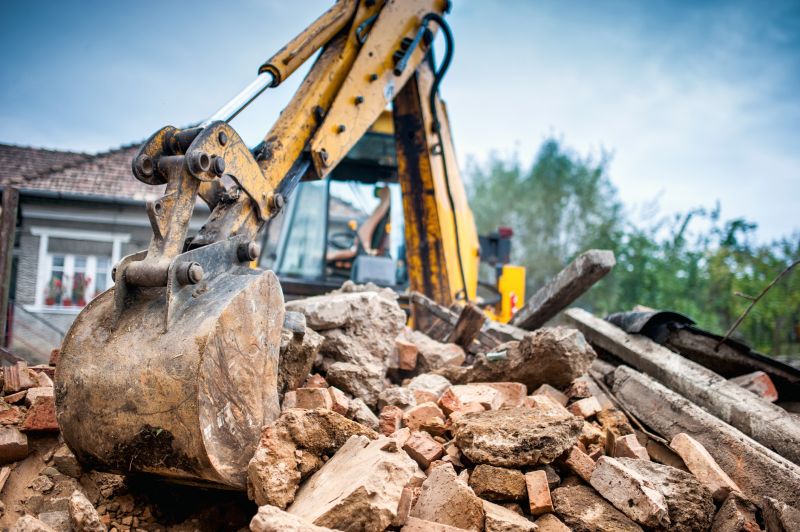
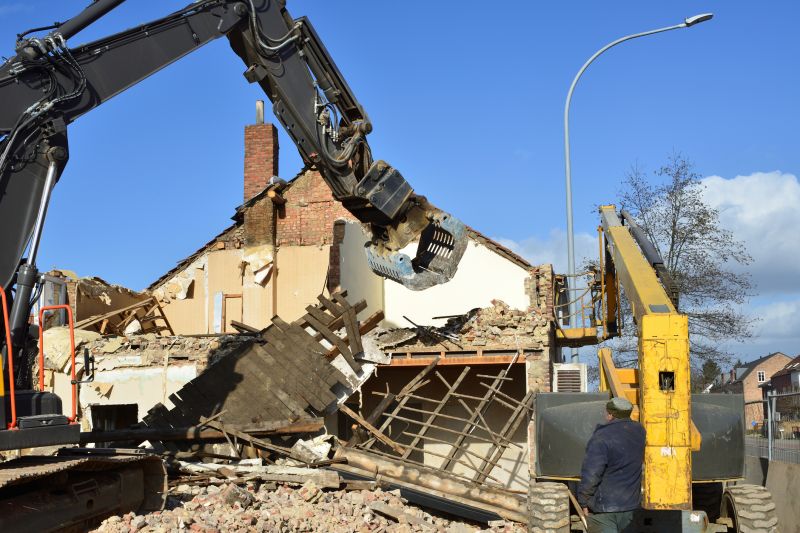
Heavy machinery facilitates efficient demolition processes.

Implementing safety protocols minimizes risks during demolition activities.

Ways to make Demolition Service work in tight or awkward layouts.
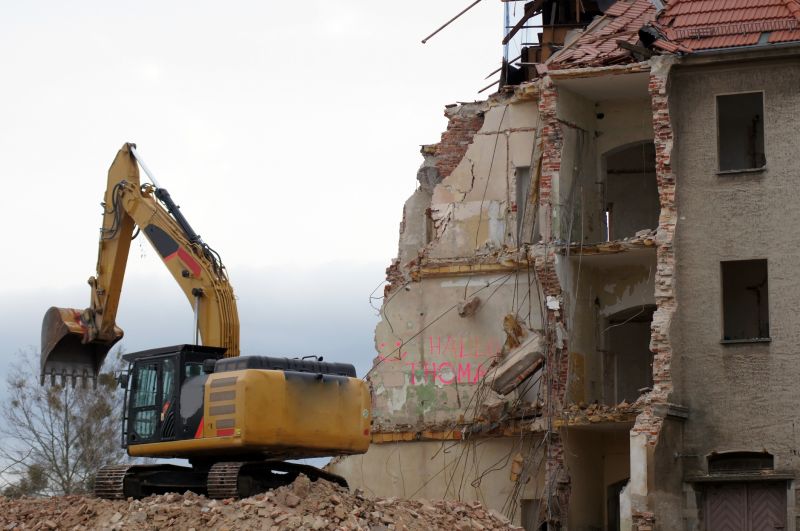
Popular materials for Demolition Service and why they hold up over time.

Simple add-ons that improve Demolition Service without blowing the budget.

High-end options that actually feel worth it for Demolition Service.

Finishes and colors that play nicely with Demolition Service.
| Factor | Details |
|---|---|
| Weather Conditions | Dry, mild weather reduces delays and safety risks. |
| Project Size | Larger projects benefit from careful scheduling to avoid disruptions. |
| Seasonal Factors | Spring and fall often provide optimal conditions. |
| Local Regulations | Permits and regulations influence scheduling. |
| Cost Considerations | Off-peak seasons may lower overall costs. |
| Area Activity Levels | Scheduling during low activity periods minimizes impact. |
| Permitting Timeframes | Allow sufficient time for permit approvals. |
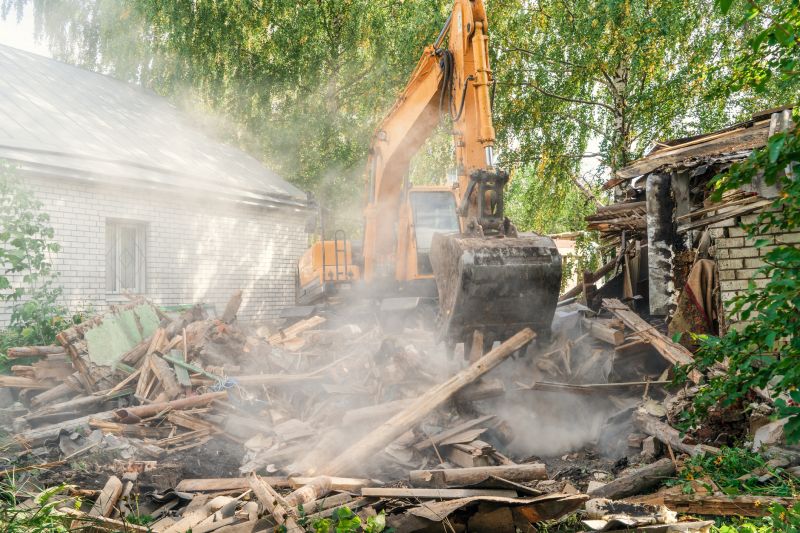
Various machinery used for efficient demolition.

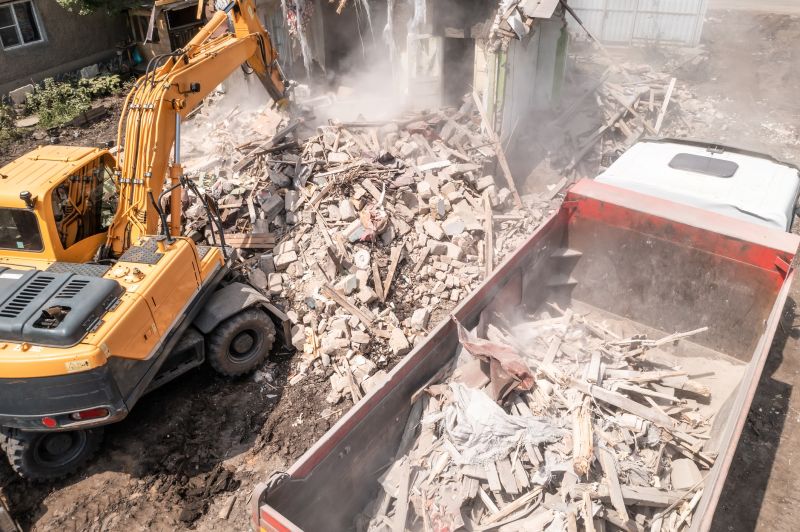
Removing debris and preparing for new construction.
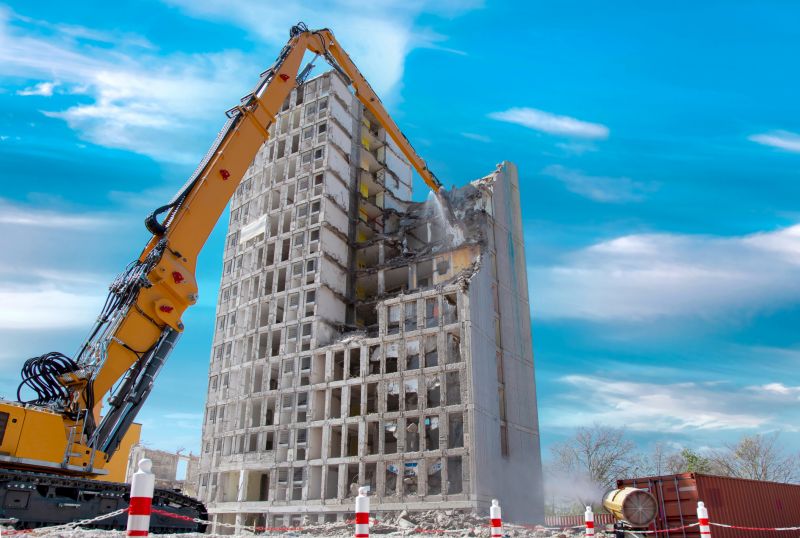
Careful demolition techniques for sensitive structures.

Protective equipment for workers during demolition.

Little measurements that prevent headaches on Demolition Service day.
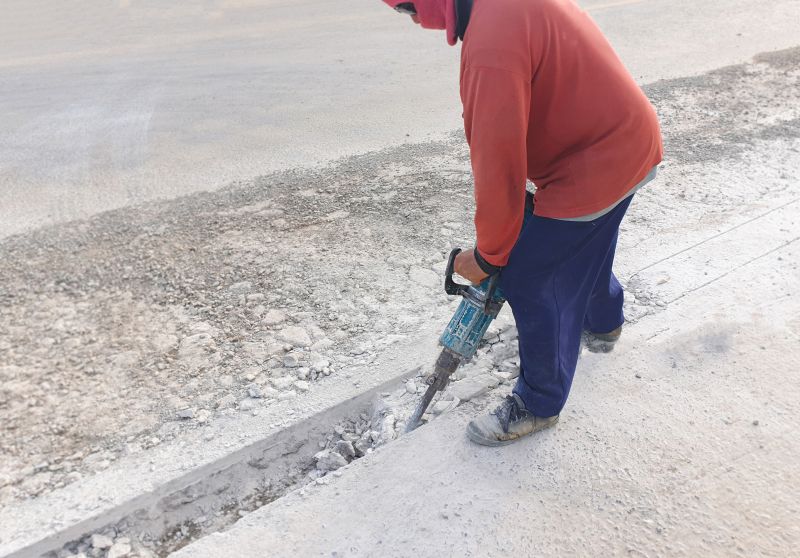
A 60-second routine that keeps Demolition Service looking new.
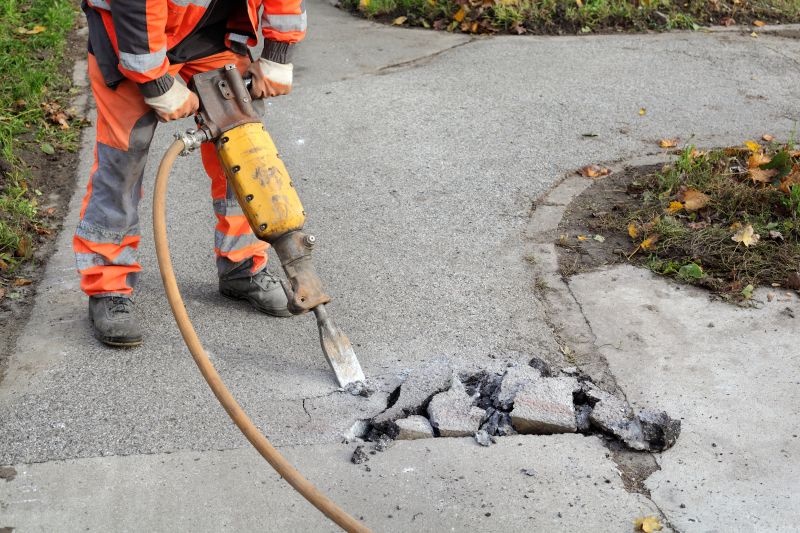
A frequent mistake in Demolition Service and how to dodge it.

Small tweaks to make Demolition Service safer and easier to use.
Demolition services play a crucial role in construction, renovation, and site clearance projects. Proper timing ensures safety, efficiency, and compliance with regulations. Advances in demolition technology have increased safety measures and reduced environmental impact, making timing even more critical to maximize these benefits.
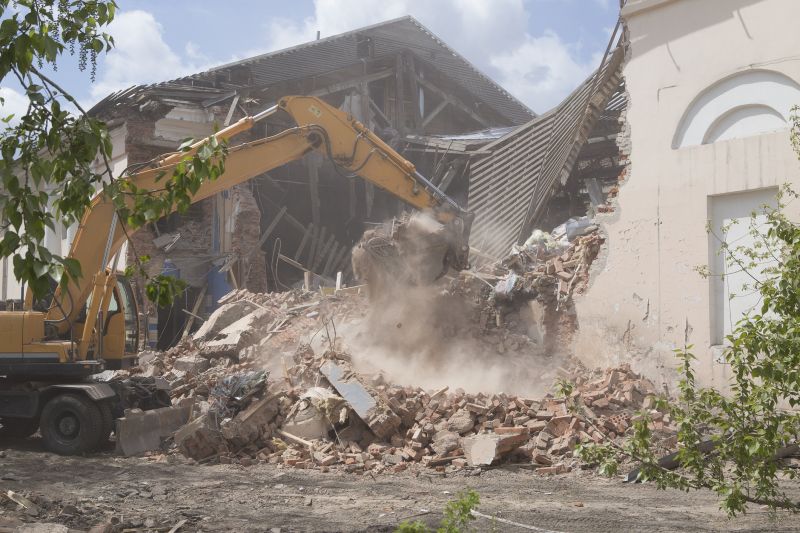
Heavy machinery efficiently tearing down structures.

Fast and safe debris clearance after demolition.

Detailed planning ensures smooth operations.
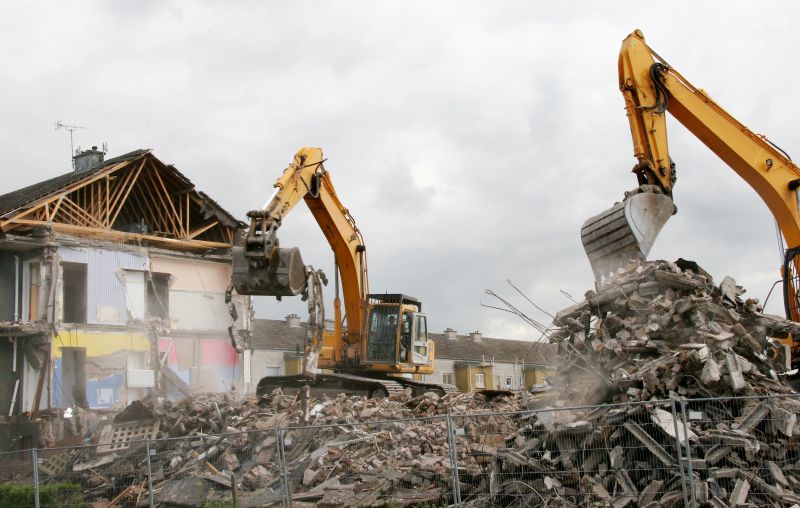
Preparing sites for new development.
Lower-waste or water-saving choices for Demolition Service.

The short, realistic tool list for quality Demolition Service.

Rough timing from prep to clean-up for Demolition Service.
Quick checks and paperwork to keep after Demolition Service.
Interested in scheduling a demolition project? Filling out the contact form can help determine the best timing for specific needs and ensure a smooth, efficient process from start to finish.